

Pipeline Engineering in Nigeria: Standards, Safety, and Best Practices
Introduction
Pipeline engineering plays a critical role in Nigeria’s oil and gas industry, supporting the safe and efficient transportation of crude oil, natural gas, and refined products across production, processing, and distribution networks. With Nigeria’s extensive pipeline infrastructure spanning onshore, offshore, swamp, and riverine environments, the demand for high-quality engineering, strict safety compliance, and industry best practices is essential.
This article explores pipeline engineering in Nigeria, key industry standards, safety requirements, and best practices that ensure long-term pipeline integrity and operational efficiency.
What is Pipeline Engineering?
Pipeline engineering involves the design, construction, installation, testing, operation, and maintenance of pipeline systems used to transport oil, gas, and other industrial fluids.
In Nigeria, pipeline engineering covers:
- Crude oil transmission pipelines
- Gas distribution and processing pipelines
- Water injection and flow lines
- Industrial and refinery pipelines
- Offshore and subsea pipeline systems
These systems require precision engineering and strict adherence to safety and environmental standards.
Importance of Pipeline Engineering in Nigeria
Pipeline infrastructure is the backbone of Nigeria’s oil and gas sector. Efficient pipeline systems help to:
- Reduce transportation costs
- Improve production efficiency
- Ensure continuous supply of oil and gas
- Minimize reliance on road and marine transport
- Support national energy distribution
Poor pipeline design or maintenance can lead to leaks, downtime, environmental damage, and revenue losses.
Key Standards in Pipeline Engineering
Pipeline engineering in Nigeria follows both local regulations and international standards to ensure safety and reliability.
1. Nigerian Regulatory Standards
- Nigerian Upstream Petroleum Regulatory Commission (NUPRC) guidelines
- Nigerian Midstream and Downstream Petroleum Regulatory Authority (NMDPRA) regulations
- Environmental Impact Assessment (EIA) requirements
- Department of Petroleum Resources (DPR) legacy standards
2. International Standards
- ASME B31.4 (Liquid Transportation Systems)
- ASME B31.8 (Gas Transmission and Distribution)
- API (American Petroleum Institute) standards
- ISO standards for pipeline integrity and safety
Compliance with these standards ensures pipelines are designed and operated safely and efficiently.
Pipeline Engineering Lifecycle
Pipeline projects typically follow a structured lifecycle:
1. Design and Feasibility Studies
Engineers conduct route selection, hydraulic analysis, environmental assessment, and cost estimation.
2. Material Selection and Procurement
High-quality pipes, valves, fittings, and coatings are selected based on project requirements.
3. Construction and Installation
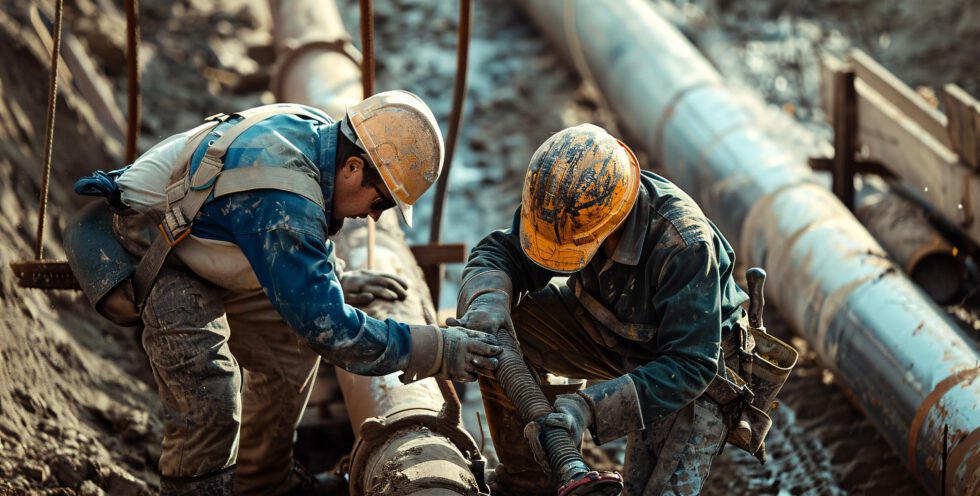
This includes welding, trenching, laying, coating, and backfilling of pipelines.
4. Testing and Commissioning
Hydrostatic testing, pressure testing, and inspection ensure pipeline integrity before operation.
5. Operation and Maintenance
Continuous monitoring, inspection, and maintenance ensure long-term performance.
Pipeline Safety in Nigeria
Safety is a major concern in pipeline engineering due to environmental risks and operational hazards.
Common Safety Risks
- Pipeline leaks and ruptures
- Corrosion and material degradation
- Third-party interference and vandalism
- Welding defects
- Pressure failures
Safety Measures
To reduce risks, engineering companies implement:
- Strict Health, Safety, and Environment (HSE) policies
- Non-destructive testing (NDT) methods
- Cathodic protection systems
- Routine inspection and monitoring
- Emergency response planning
A strong safety culture is essential for protecting both people and the environment.
Best Practices in Pipeline Engineering
1. Proper Route Selection
Careful route planning minimizes environmental impact and reduces construction challenges.
2. Use of High-Quality Materials
Selecting corrosion-resistant and certified materials ensures long-term durability.
3. Advanced Welding Techniques
High-integrity welding reduces the risk of leaks and structural failures.
4. Regular Inspection and Maintenance
Routine inspections help detect early signs of corrosion, cracks, or pressure issues.
5. Environmental Protection
Pipeline projects should include environmental management plans to reduce ecological impact.
6. Skilled Workforce Deployment
Qualified engineers, welders, and technicians improve project quality and safety outcomes.
Challenges in Pipeline Engineering in Nigeria
Pipeline projects face several challenges, including:
- Harsh terrain (swamps, rivers, and coastal areas)
- Security threats and vandalism
- Regulatory complexities
- Environmental sensitivity
- Logistics and supply chain constraints
Addressing these challenges requires experienced engineering partners and strong project planning.
Role of Engineering Companies in Pipeline Projects
Engineering companies play a key role in delivering successful pipeline projects by providing:
- Design and engineering services
- Fabrication and welding
- Construction and installation
- Project management and supervision
- Maintenance and integrity services
- Environmental compliance support
A reliable engineering partner ensures efficiency, safety, and regulatory compliance throughout the project lifecycle.
Conclusion
Pipeline engineering in Nigeria is a highly specialized field that requires strict adherence to standards, safety protocols, and best practices. From design and construction to maintenance and integrity management, every stage of pipeline development must be executed with precision and professionalism.
Organizations that invest in high-quality engineering services benefit from safer operations, improved efficiency, and long-term infrastructure reliability.
Partner with BIDORF Oil & Gas Ltd
BIDORF Oil & Gas Ltd provides expert pipeline engineering services in Nigeria, including design, welding, fabrication, installation, testing, and maintenance. Our team is committed to delivering safe, reliable, and high-performance pipeline solutions across the oil and gas sector.