


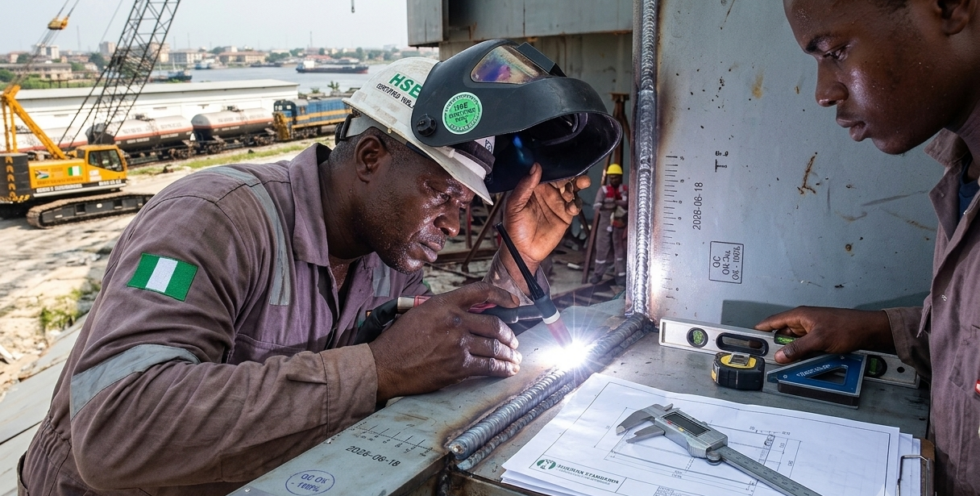
EPC Contracting in Nigeria: What It Means and How It Works
Introduction
EPC contracting is one of the most important project delivery models in Nigeria’s oil and gas, construction, and industrial engineering sectors. EPC stands for Engineering, Procurement, and Construction, and it represents a fully integrated approach to executing complex projects from design to completion.
In Nigeria, EPC contracting is widely used in oilfield development, pipeline construction, facility upgrades, and large-scale infrastructure projects. Understanding how EPC works helps companies choose the right contractor and ensure successful project delivery.
What is EPC Contracting?
EPC contracting is a project delivery system where a single contractor is responsible for:
- Engineering (design and planning)
- Procurement (sourcing materials and equipment)
- Construction (execution and installation)
The EPC contractor delivers the project as a complete package, from concept to commissioning, under a single contract.
This model is common in oil and gas engineering projects because it reduces complexity and improves coordination.
How EPC Contracting Works in Nigeria
EPC projects follow a structured process that ensures efficiency and accountability.
1. Engineering Phase
This is the design stage where project requirements are analyzed and converted into technical plans.
Activities include:
- Feasibility studies
- Concept and detailed design
- Structural and pipeline engineering
- Electrical and mechanical design
- Risk assessment and planning
This phase defines the technical foundation of the entire project.
2. Procurement Phase
Once designs are finalized, the contractor sources all required materials and equipment.
This includes:
- Pipes, valves, and fittings
- Steel structures and fabrication materials
- Electrical and mechanical equipment
- Specialized oilfield tools and machinery
Procurement must ensure quality, cost efficiency, and timely delivery to avoid project delays.
3. Construction Phase
This is the execution stage where the actual project is built.
Activities include:
- Site preparation and civil works
- Welding and pipeline installation
- Equipment fabrication and assembly
- Mechanical and electrical installation
- Testing and quality assurance
Construction is closely monitored to ensure compliance with engineering specifications and safety standards.
4. Commissioning and Handover
After construction, the project undergoes testing and validation.
This includes:
- System testing and inspection
- Performance verification
- Safety checks and compliance audits
- Final documentation and handover
At this stage, the facility or infrastructure is ready for operation.
Advantages of EPC Contracting
EPC contracting offers several benefits for oil and gas projects in Nigeria:
1. Single Point of Responsibility
Clients deal with one contractor, reducing communication gaps and project confusion.
2. Faster Project Delivery
Integrated planning and execution reduce delays and improve efficiency.
3. Cost Control
Fixed-price or structured contracts help manage project budgets more effectively.
4. Improved Quality Assurance
EPC contractors are responsible for maintaining quality across all project phases.
5. Reduced Client Risk
Risk is transferred to the EPC contractor, especially for cost and schedule overruns.
Challenges of EPC Projects in Nigeria
Despite its benefits, EPC contracting in Nigeria faces several challenges:
- Supply chain disruptions
- Regulatory approval delays
- Security concerns in project areas
- Foreign exchange fluctuations
- Logistics and transportation issues
Experienced EPC contractors help mitigate these challenges through proper planning and risk management.
EPC in the Oil and Gas Industry
In the oil and gas sector, EPC contracting is commonly used for:
- Pipeline construction projects
- Refinery development
- Gas processing facilities
- Offshore and onshore installations
- Industrial plant construction
Because of the technical complexity, EPC contractors must have strong engineering capability and industry experience.
How to Choose an EPC Contractor in Nigeria
When selecting an EPC company, consider the following:
Experience
Look for proven experience in oil and gas and industrial projects.
Technical Capability
Ensure the company has qualified engineers across multiple disciplines.
Safety Standards
Strong HSE policies are essential for safe project execution.
Equipment and Resources
Modern tools and infrastructure improve efficiency and project quality.
Track Record
Past successful projects are a strong indicator of reliability.
Conclusion
EPC contracting in Nigeria is a highly effective project delivery method that integrates engineering, procurement, and construction into a single streamlined process. It reduces risk, improves coordination, and ensures efficient project execution, especially in the oil and gas industry.
Organizations that choose experienced EPC contractors benefit from better cost control, improved quality, and timely project delivery.
Partner with BIDORF Oil & Gas Ltd
BIDORF Oil & Gas Ltd delivers reliable EPC services in Nigeria, including pipeline engineering, fabrication, procurement, construction, dredging, and environmental management. Our integrated approach ensures safe, efficient, and high-quality project delivery across the oil and gas sector.